Businesses that rely heavily on transportation often understand that vehicles are more than simple company assets. They are essential tools that support daily operations, customer service, product delivery, and workforce mobility.
For industries that depend on multiple commercial vehicles, maintaining an organised, professional, and reliable fleet becomes one of the most important aspects of long-term business success.
Fleet body solutions help companies protect and improve their commercial vehicles through specialised repair, maintenance, customisation, and branding services. These solutions are designed to support operational efficiency while ensuring that vehicles remain safe, visually professional, and suitable for demanding business environments.
Many business owners and operators also ask an important question when exploring transportation management and fleet services: What is a fleet-based business? A fleet-based business is any organisation that uses a group of vehicles to carry out core operations.
These businesses may operate delivery vans, cargo trucks, service vehicles, utility fleets, or transportation units that help them provide products and services efficiently.
This guide explores the importance of Fleet Body Solutions while explaining how fleet-based businesses operate across different industries. It also discusses how proper fleet maintenance, customisation, and repair services help businesses reduce downtime, improve productivity, and maintain a strong professional image in highly competitive markets.
Understanding Fleet-Based Businesses
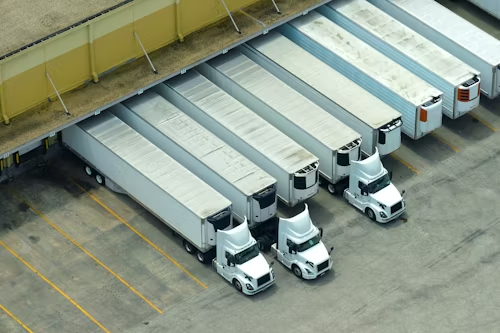
Fleet-based businesses are organisations that depend on multiple vehicles to support daily activities and operational responsibilities. These vehicles are often managed together as a centralised transportation system that helps companies perform services, transport goods, and maintain customer operations.
What Defines a Fleet-Based Business
A fleet-based business typically operates several vehicles under one company or organisation. Instead of relying on one or two transportation units, these businesses manage an entire fleet that works continuously to support business functions.
The size of a fleet can vary depending on the industry and company scale. Some businesses may operate only a few service vans, while large corporations may manage hundreds or even thousands of commercial vehicles across multiple regions.
Fleet-based operations are common in industries such as logistics, delivery services, construction, utilities, healthcare, public transportation, and field service management.
Why Fleets Are Important in Business Operations
Vehicles allow businesses to expand their reach, improve response times, and provide consistent service to customers. Without dependable transportation systems, many businesses would struggle to meet deadlines, deliver products, or maintain operational efficiency.
Fleet vehicles are often used daily for long hours, which means they experience significant wear and tear compared to personal vehicles. Because of this, businesses need structured maintenance and repair programs to keep vehicles operating safely and efficiently.
A reliable fleet also improves customer confidence because professionally maintained vehicles reflect the company’s standards and commitment to quality service.
Examples of Fleet-Based Businesses
Many industries rely on fleet systems to maintain productivity and customer satisfaction.
Delivery and Logistics Companies
Courier services, freight carriers, and distribution businesses use fleets to transport goods efficiently between suppliers, warehouses, and customers.
Construction Companies
Construction businesses rely on trucks and utility vehicles to move materials, equipment, and workers between project sites.
Utility and Service Providers
Electricians, plumbers, HVAC technicians, and telecommunications companies often use service fleets equipped with tools and specialised storage systems.
Public Transportation Services
Bus companies and transportation providers operate fleets that support daily commuting and travel services.
These examples demonstrate how fleets are essential to maintaining business continuity and operational growth.
The Importance of Fleet Body Solutions
Fleet body solutions focus on maintaining and improving the physical structure, appearance, and functionality of commercial vehicles. These services are important because fleet vehicles are constantly exposed to road hazards, environmental conditions, and operational stress.
Protecting Vehicle Investments
Commercial vehicles represent major financial investments for businesses. Fleet body services help protect those investments by preventing long-term damage and extending vehicle lifespan.
Regular body maintenance reduces the risk of severe corrosion, structural issues, and cosmetic deterioration that could lower vehicle value or increase repair costs.
Supporting Daily Operations
Damaged or poorly maintained vehicles can interrupt business operations. If vehicles are unavailable due to repairs or safety concerns, companies may experience delayed deliveries, cancelled appointments, or reduced service capacity.
Fleet body solutions help businesses keep vehicles operational and minimise downtime.
Maintaining Professional Appearance
Commercial vehicles often serve as moving advertisements for businesses. Clean, well-maintained vehicles create a strong first impression and reinforce customer trust.
Fleet body services help companies maintain a professional image through repainting, dent removal, branding installations, and exterior restoration.
Common Fleet Body Services for Commercial Vehicles
Fleet body providers offer a wide range of services tailored to commercial transportation needs. These services help businesses maintain vehicle safety, reliability, and appearance.
Collision Repair Services
Fleet vehicles frequently travel long distances and operate in busy traffic conditions, increasing the risk of accidents and minor collisions.
Structural Repairs
After accidents, structural repairs restore damaged frames and body panels to manufacturer standards. Proper frame alignment is essential for maintaining vehicle safety and handling performance.
Dent and Panel Restoration
Minor dents and damaged panels can negatively affect vehicle appearance. Fleet body specialists repair or replace damaged sections to restore the original look and function of the vehicle.
Paint Refinishing
Repainting and refinishing services help restore damaged surfaces while protecting vehicles from corrosion and environmental exposure.
Preventive Maintenance Services
Preventive maintenance is essential for reducing unexpected breakdowns and extending vehicle life.
Rust Prevention Treatments
Commercial vehicles are constantly exposed to rain, dirt, road salt, and moisture. Rust prevention treatments help protect metal surfaces and structural components from corrosion.
Routine Inspections
Regular inspections allow technicians to identify minor problems before they become expensive repairs. Early detection helps businesses avoid operational interruptions.
Lighting and Safety Checks
Fleet maintenance programs often include inspections of headlights, brake lights, mirrors, and reflective markings to ensure vehicles remain safe and compliant.
Vehicle Customisation Services
Many businesses require customised vehicles to support industry-specific tasks.
Storage and Shelving Systems
Service fleets often include custom shelving and compartment systems that improve organisation and tool accessibility.
Ladder Racks and Equipment Mounts
Utility vehicles may require ladder racks, pipe holders, and specialised mounting systems for transporting equipment safely.
Refrigerated Vehicle Modifications
Food delivery and pharmaceutical companies sometimes require refrigerated compartments that maintain temperature-sensitive products during transportation.
Customisation improves efficiency by allowing workers to access equipment quickly and complete tasks more effectively.
Fleet Branding and Vehicle Graphics
Fleet branding is an important part of fleet body solutions because company vehicles often function as mobile advertisements.
Creating Strong Brand Visibility
Branded fleet vehicles help businesses increase public awareness while travelling through neighbourhoods, business districts, and highways.
Vehicle wraps and decals display company names, logos, contact information, and promotional messaging that reach large audiences daily.
Building Customer Trust
Customers are more likely to trust businesses that operate professional-looking vehicles. Clean and properly branded fleets create an image of organisation, reliability, and credibility.
This is especially important for service companies that regularly visit homes and commercial properties.
Protecting Vehicle Surfaces
High-quality vehicle wraps not only improve branding but also protect paint surfaces from scratches, fading, and environmental exposure.
Fleet body specialists often use durable materials that maintain visual quality for several years.
How Fleet Body Solutions Improves Business Efficiency
Fleet body services contribute directly to operational efficiency and productivity.
Reducing Vehicle Downtime
Fast repairs and preventive maintenance programs reduce the amount of time vehicles spend out of service.
Businesses that minimise downtime can maintain delivery schedules, customer appointments, and operational consistency.
Improving Driver Productivity
Customised service vehicles help drivers and technicians work more efficiently by organising tools and equipment properly.
Workers spend less time searching for supplies and more time completing customer tasks.
Supporting Safer Operations
Proper maintenance reduces safety risks associated with damaged vehicles, faulty lighting, or unsecured cargo.
Safe vehicles also improve driver confidence and reduce accident-related disruptions.
Enhancing Fleet Reliability
Reliable fleets improve customer satisfaction because businesses can consistently meet service expectations and deadlines.
Fleet body solutions help maintain this reliability by ensuring vehicles remain in good condition.
Industries That Depend on Fleet Body Solutions
Many industries rely heavily on professional fleet maintenance and body services.
Logistics and Delivery Services
Delivery businesses operate vehicles continuously throughout the day, exposing them to heavy wear and increased accident risks.
Fleet body services help maintain cargo vehicles and delivery vans that support transportation networks.
Construction and Contracting
Construction fleets often operate in rough environments where vehicles experience exposure to debris, heavy equipment, and difficult terrain.
Body reinforcement, structural repairs, and protective coatings help maintain durability.
Healthcare and Medical Transport
Medical transport vehicles must remain clean, safe, and reliable to support patient transportation and healthcare delivery.
Fleet maintenance ensures compliance with safety and operational standards.
Telecommunications and Utility Companies
Service fleets used by utility providers require specialised modifications and organised storage systems that support field operations.
Fleet body providers help customise vehicles for technical equipment and maintenance tasks.
Financial Advantages of Fleet Maintenance Programs
Investing in fleet body solutions often leads to long-term financial savings.
Lower Repair Costs Over Time
Small issues become more expensive when ignored. Preventive maintenance reduces the likelihood of severe structural damage and costly repairs.
Extended Vehicle Lifespan
Well-maintained fleet vehicles generally remain operational for longer periods, reducing the frequency of costly vehicle replacements.
Improved Resale Value
Businesses that maintain vehicle appearance and structural condition can often achieve higher resale or trade-in values.
Reduced Operational Interruptions
Fewer breakdowns and repair delays allow businesses to operate more consistently, which improves profitability and customer retention.
Technology and Innovation in Fleet Body Solutions
Modern fleet management increasingly relies on technology to improve maintenance and operational planning.
Digital Fleet Monitoring Systems
Many businesses now use digital systems that track vehicle conditions, maintenance schedules, and repair histories.
These systems help companies identify recurring issues and plan maintenance more effectively.
Advanced Repair Equipment
Fleet repair facilities use computerised frame alignment systems, precision paint-matching tools, and advanced diagnostic equipment that improve repair accuracy.
Lightweight Vehicle Materials
Manufacturers increasingly use lightweight materials that improve fuel efficiency while maintaining durability.
Fleet body specialists adapt repair methods to support these newer materials and designs.
Sustainable Fleet Practices
Some companies are adopting environmentally friendly repair processes and sustainable vehicle technologies to reduce environmental impact.
This includes water-based paints, recyclable materials, and energy-efficient repair equipment.
Challenges Faced by Fleet-Based Businesses
Fleet-based businesses face several operational challenges that require careful management and planning.
High Vehicle Usage
Commercial vehicles often operate for extended hours each day, increasing maintenance demands and repair frequency.
Fuel and Operating Expenses
Fuel costs and ongoing maintenance expenses represent major operational costs for many fleet businesses.
Accident Risks
Fleet vehicles spend significant time on the road, increasing exposure to accidents and traffic-related damage.
Regulatory Compliance
Commercial fleets must comply with transportation laws, vehicle safety regulations, and inspection requirements.
Fleet body solutions help businesses manage these challenges by improving vehicle reliability and reducing operational risks.
Choosing the Right Fleet Body Service Provider
Selecting the right fleet body provider is important for maintaining vehicle quality and operational efficiency.
Experience With Commercial Fleets
Businesses should work with providers experienced in handling commercial vehicles rather than only consumer automotive repairs.
Fleet specialists understand the demands of business operations and commercial transportation.
Comprehensive Service Offerings
A strong fleet body provider should offer collision repair, preventive maintenance, customisation, repainting, and branding services.
Fast Turnaround Times
Minimising downtime is essential for fleet businesses, so repair providers should prioritise efficiency and communication.
Quality and Safety Standards
High-quality repairs ensure vehicles remain safe, durable, and visually professional.
Businesses should evaluate technician certifications and repair facility capabilities before choosing a provider.
Future Trends in Fleet-Based Operations
Fleet operations continue evolving as businesses adopt new technologies and transportation strategies.
Electric Commercial Vehicles
Many businesses are transitioning toward electric fleets to reduce fuel costs and environmental impact.
Fleet body providers are adapting to support electric vehicle repair and maintenance requirements.
Smart Fleet Management
Connected vehicle systems allow businesses to monitor vehicle performance, fuel efficiency, and maintenance needs in real time.
Mobile Fleet Services
Some fleet providers now offer mobile maintenance and repair units that perform services directly at business locations.
Automation and Artificial Intelligence
AI-powered maintenance systems help businesses predict repair needs and reduce unexpected vehicle failures.
These innovations continue transforming how businesses manage commercial transportation systems.
Frequently Asked Questions
What is a fleet-based business?
A fleet-based business is a company or organisation that uses multiple vehicles to support daily operations such as transportation, deliveries, field services, or logistics activities.
Why are fleet body solutions important?
Fleet body solutions help maintain vehicle safety, appearance, reliability, and operational efficiency through repair, maintenance, customisation, and branding services.
What industries use fleet vehicles the most?
Industries such as logistics, construction, healthcare, utilities, transportation, telecommunications, and delivery services commonly rely on fleet operations.
How do fleet body solutions reduce business costs?
Preventive maintenance and timely repairs reduce major repair expenses, minimise downtime, improve vehicle lifespan, and maintain resale value.
Conclusion
Fleet-based businesses play a major role in modern industries by supporting transportation, delivery, customer service, and operational mobility. These businesses depend heavily on reliable commercial vehicles to maintain productivity and customer satisfaction.
Fleet body solutions provide the repair, maintenance, customisation, and branding services needed to keep fleet vehicles safe, efficient, and visually professional. From collision repairs and preventive maintenance to specialised modifications and vehicle graphics, these services help businesses reduce downtime and improve operational performance.
As transportation demands continue growing across industries, businesses that invest in proper fleet body management are better positioned to improve reliability, control long-term costs, and maintain strong professional reputations. Reliable fleet solutions not only protect valuable business assets but also help companies operate more efficiently in increasingly competitive markets.